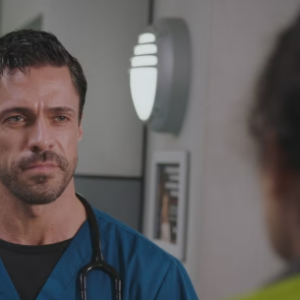
The latest Casualty boxset recap, titled Public Property, dives deep into one of the most gripping and controversial arcs in recent memory. The storyline highlights the enormous pressure faced by emergency department (ED) staff when personal lives collide with professional responsibilities—and the devastating consequences when accusations of negligence threaten to destroy careers. With emotions running high, loyalties tested, and reputations on the line, Public Property offers an unflinching look at the cost of working on the NHS frontlines under a relentless spotlight.
The Heart of the Story: A Reputation at Risk
At the center of this arc is a devoted ED staff member accused of negligence after a patient’s tragic outcome spirals into a public scandal. For decades, Casualty has thrived on the tension between personal humanity and professional duty, and Public Property leans heavily into that theme.
The accusation itself becomes more than just a workplace issue—it’s a trial by media and community opinion. With tabloids circling and whispers spreading among colleagues, the character faces the terrifying possibility of being branded incompetent, careless, or worse.
The storyline underscores how, in modern healthcare, mistakes—whether real or perceived—can follow doctors and nurses outside hospital walls. In an age where one headline can destroy a career, the ED suddenly feels less like a safe haven and more like a courtroom.
The Impact on the Emergency Department
The ripple effect of the accusation cannot be understated. The ED, already stretched to its breaking point, becomes fractured as colleagues are forced to choose sides. Some rally around their embattled co-worker, convinced of their integrity and professionalism. Others quietly question whether the mistakes were avoidable and whether their colleague’s personal struggles compromised patient care.
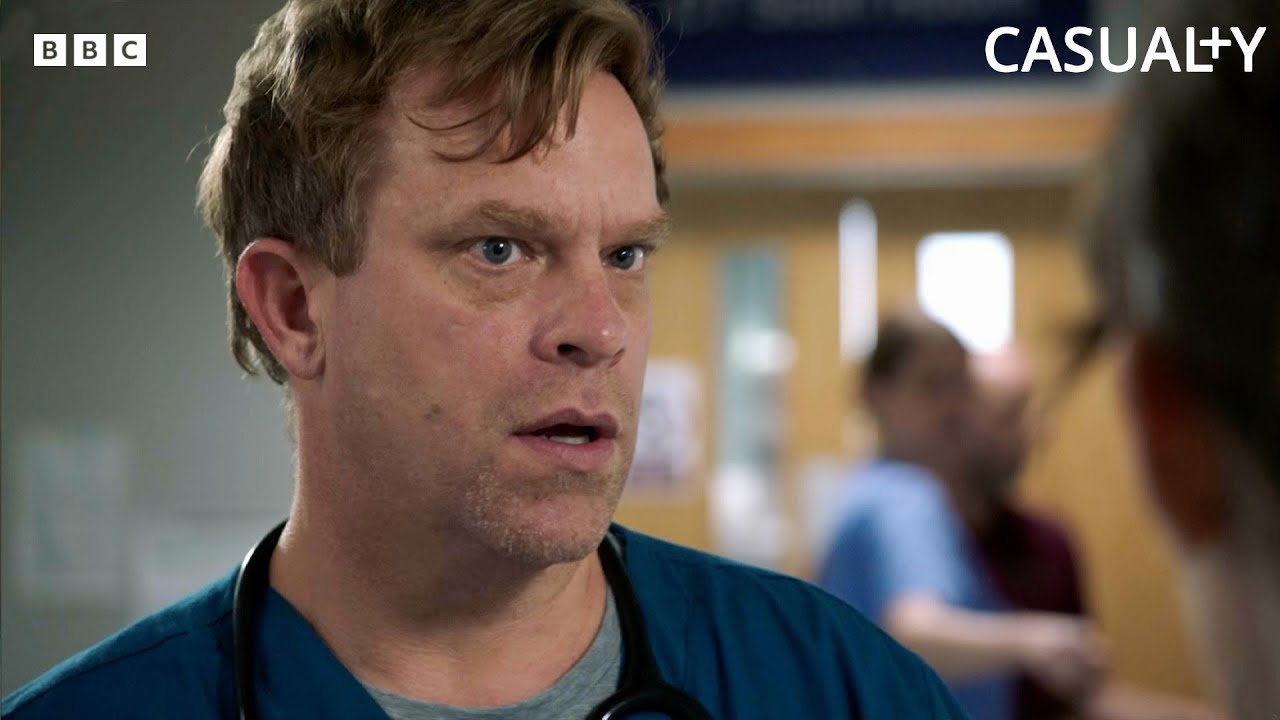
This internal division highlights one of the show’s recurring strengths: the realism of workplace tension. In a profession where teamwork is essential, suspicion and mistrust can be fatal—not just for morale but for patient safety. Public Property starkly reminds viewers how one incident can shake the entire foundation of an already fragile system.
Media Pressure and Public Scrutiny
The title Public Property captures the painful reality of the storyline. Healthcare workers, though dedicated and often self-sacrificing, are not immune from being scrutinized, criticized, and dehumanized. Once the accusation becomes public, the character at the center of the storm is subjected to invasive questioning, sensationalist headlines, and community backlash.
The storyline powerfully illustrates how the media can amplify pain, turning a private tragedy into a spectacle. It also shows the toll this takes on healthcare professionals’ mental health. The accused must grapple not only with the possibility of professional ruin but also with the loss of dignity and privacy.
Personal Lives in Tatters
Casualty has always excelled at weaving personal stakes into professional crises, and this arc is no exception. The negligence accusation reverberates far beyond the ED, bleeding into family and friendships. Relationships begin to crack under the pressure—partners question loyalty, children feel the strain of whispered rumors, and friends wrestle with whether their support will cost them professionally.
For the accused, the challenge isn’t just fighting the charge—it’s holding onto their sense of self. The show sensitively portrays the crushing isolation that comes with being under suspicion, even when innocent. This vulnerability humanizes the character, reminding viewers that even heroes in scrubs can be undone by fear, shame, and the weight of public judgment.
A Broader Commentary on the NHS
Beyond the character-driven drama, Public Property functions as sharp social commentary. The storyline reflects the mounting pressures within the NHS: underfunding, overwhelming patient loads, exhausted staff, and a culture where blame too often falls on individuals rather than the system.
By framing the accusation as part of a wider conversation, Casualty raises uncomfortable but necessary questions:
Are frontline workers unfairly scapegoated for systemic failures?
How does the media’s hunger for scandal erode public trust in healthcare?
And what happens to the human beings behind the headlines when mistakes—real or perceived—make them “public property”?
These questions resonate strongly with real-world debates, giving the boxset an urgency that extends beyond entertainment.
Performances That Pack a Punch
As always, the strength of Casualty lies in its performances. The actor at the center of the arc delivers a layered portrayal—balancing professional pride with visible cracks of fear and despair. Supporting cast members bring nuance, particularly as colleagues wrestle with whether to defend or distance themselves from the accused.
Scenes of hushed conversations in corridors, fraught arguments in the staff room, and emotional breakdowns behind closed doors all highlight the emotional realism Casualty has long been praised for. Viewers are left not only gripped by the drama but also empathizing with every character caught in the fallout.